5 Ways to Help a Struggling Reader Love Reading
A one-year-old who can’t read loves books. Kids who can read cry at reading time. The difference isn’t the book. It’s the experience.
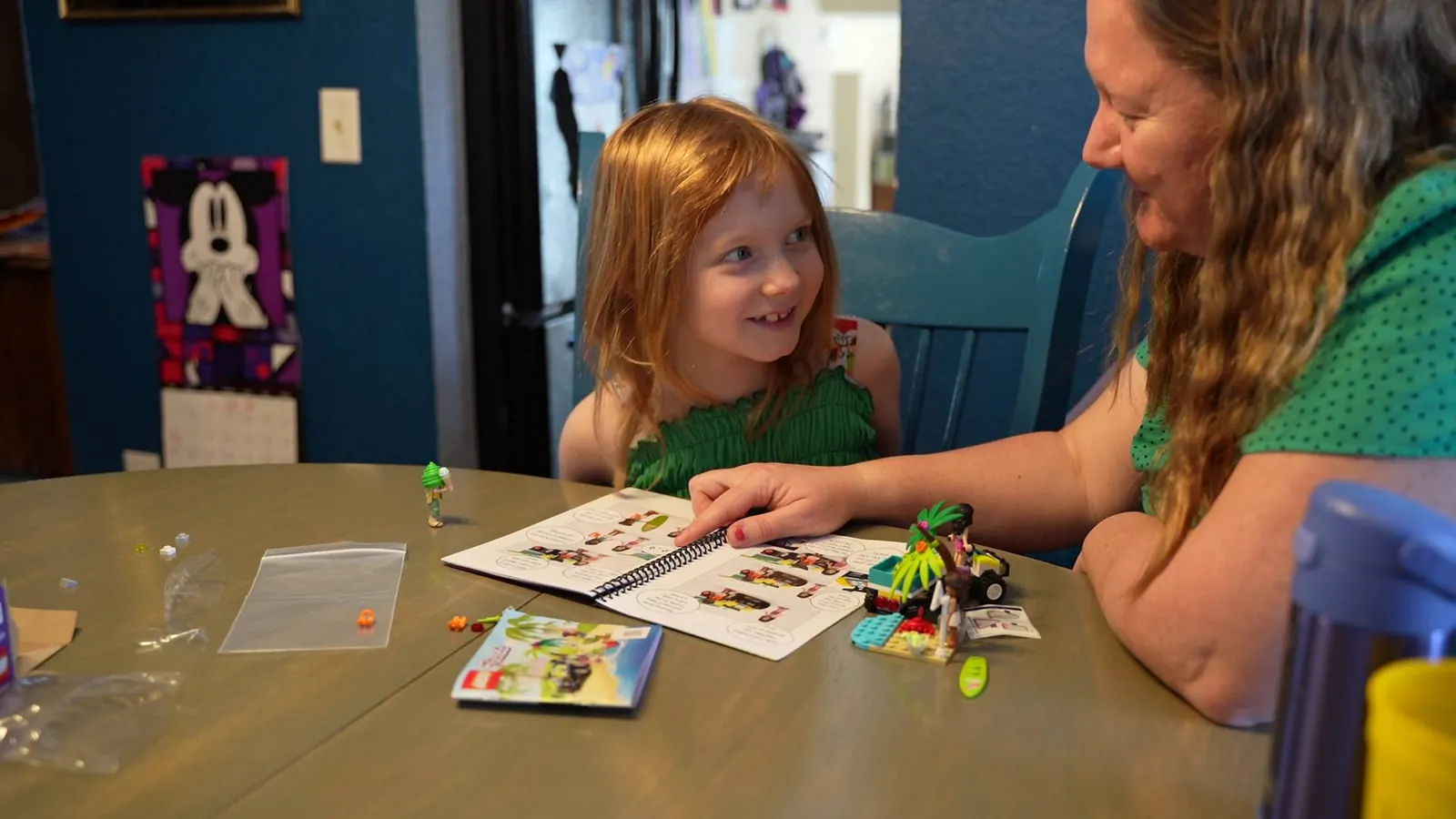
Since becoming a dad, I’ve started thinking differently about what it means to love reading.
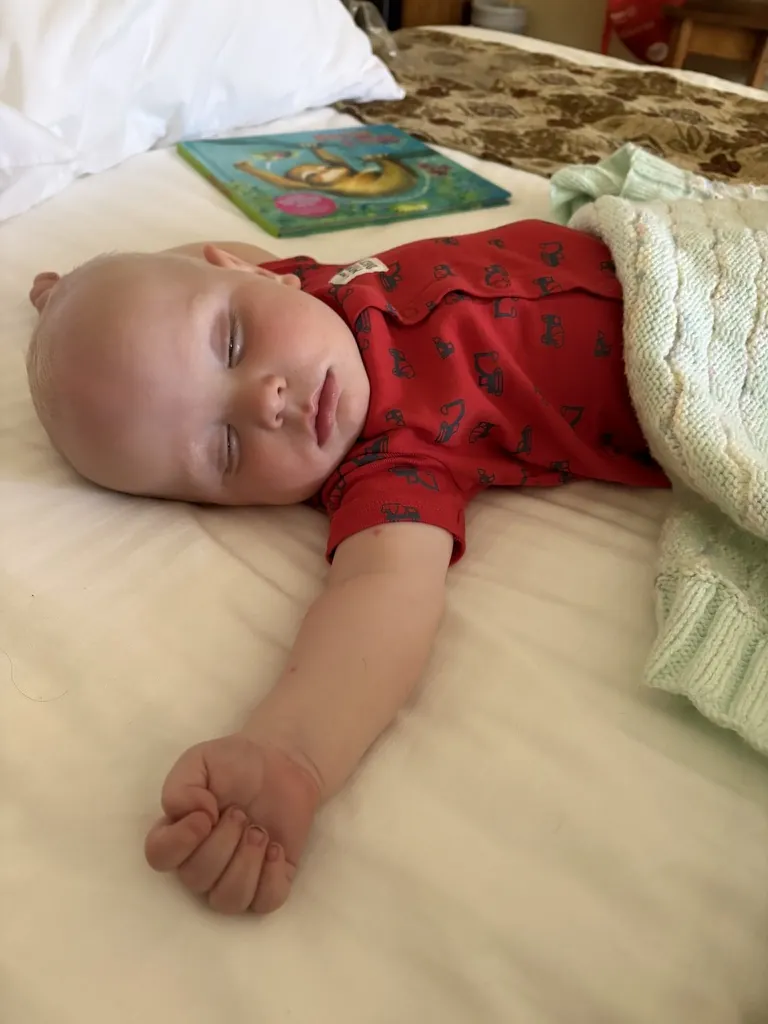
My one-year-old, Leo, loves books. These days it’s a stack of bird books we brought home from Costa Rica. He points, I name the bird, he points again. And every single day we read The Very Hungry Caterpillar so he can push his finger through the holes.
Leo can’t read. He can only say three words. But he absolutely loves reading.
He loves the experience of books.
I’ve also spent years working with kids for whom reading time means tears. Every day.
Leo and those kids aren’t doing different things. They’re having different experiences.
We tend to assume the fix is a better book. I learned otherwise at the Boys & Girls Club in Denver. I brought in over 100 of my own books, including Diary of a Wimpy Kid and Dog Man, the books kids supposedly can’t put down. A year later, none of them had been read. A donation of hundreds of new books sat unread on the pool table.
The books weren’t the problem. The experience was.
Books have more competition than they used to. A child can go from Roblox to YouTube to an iPad game to a Marvel movie, and then we hand them Frog and Toad and wonder why they aren’t captivated. There’s nothing wrong with Frog and Toad. The world around it changed.
And something clearly isn’t working. In 2026, the UK’s National Literacy Trust surveyed 8- to 18-year-olds:
Source: National Literacy Trust, Children and young people’s reading in 2026
Video games, interactive stories, puzzles, LEGO, and even slime can be the training wheels that lead to the novel. These experiences aren’t the end. They’re the beginning. My hope is that kids eventually go back to traditional books and find the same joy I found in Harry Potter, The BFG, and The Lord of the Rings.
Over years of building Wonder.io with more than 300 struggling readers at the Boys & Girls Club and Title 1 schools, here are five things I’ve learned about creating a reading experience kids actually want.
Make reading the key to the play
Reading doesn’t have to mean sitting quietly with a book.
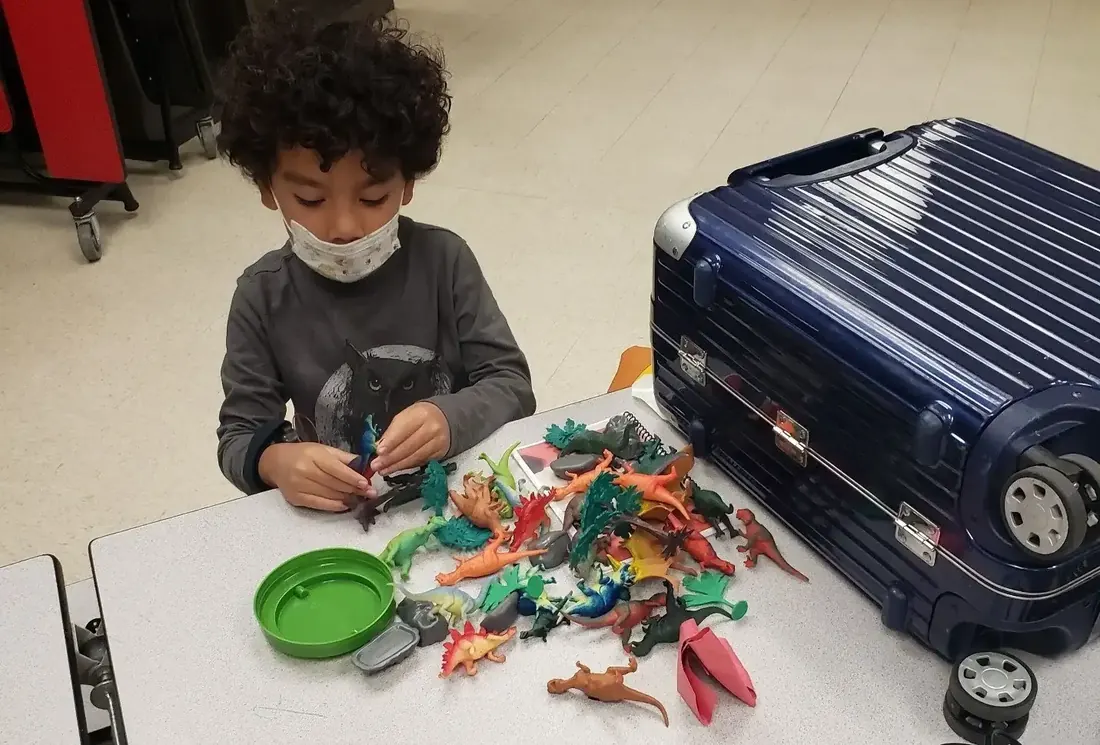
I spent a year with LEGO’s publishing team testing books with struggling 2nd to 4th graders in Denver Public Schools. Over and over, kids found clever ways around the book. Given dinosaurs and a story about them, they played with the dinosaurs and never opened it. Given a LEGO set and a book to read while building, they just built.
Then we wrote a 72-page book about how to make slime. Every kid read the whole thing. They wanted the slime, and the book was the only way to get it.
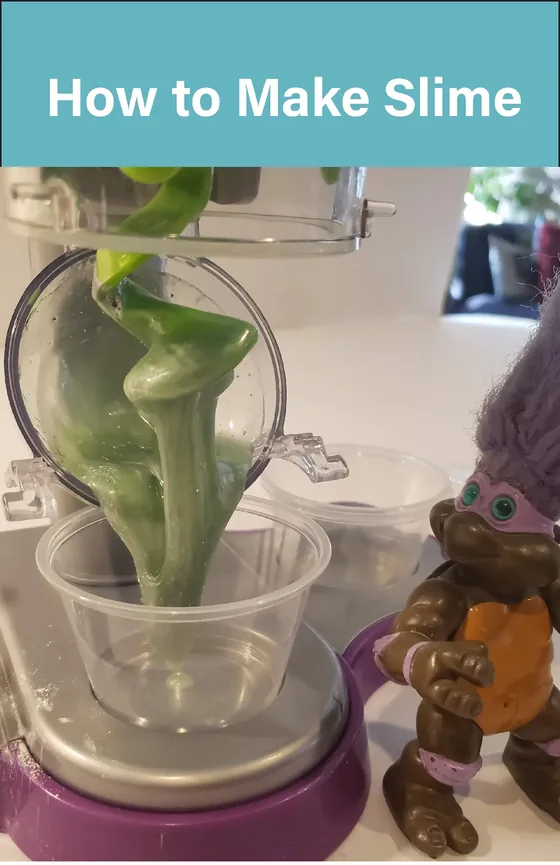
If reading is essential to the play, kids will read.
The same goes for video games that require reading. I’ve met two children who say they learned to read playing Zelda and Final Fantasy. Kids tell researchers this too: in a large 2025 UK survey, children were more motivated to read when the material connected to a favorite movie, TV series, or hobby.
With Wonder.io, I mashed together reading and Kahoot. Kids read a little, answer a question, and compete with other readers. Suddenly reading feels a little more like playing a sport.
Make slime, a recipe, or a craft where the child reads the instructions and you don’t. After a LEGO set is built, read or make up a short story about the minifigures and act it out together.
If reading has to compete with an iPad, give it a fighting chance.
Make the first win fast
Reading can be hard. When you’re still learning, it takes a surprising amount of mental energy.
We spent six months at the Boys & Girls Club in Denver watching kids read and noting the moment they got antsy. For kids who struggle, it came after about 30 seconds of passive reading. So in Wonder.io, something happens roughly every 30 seconds: a question, a choice, something to click.
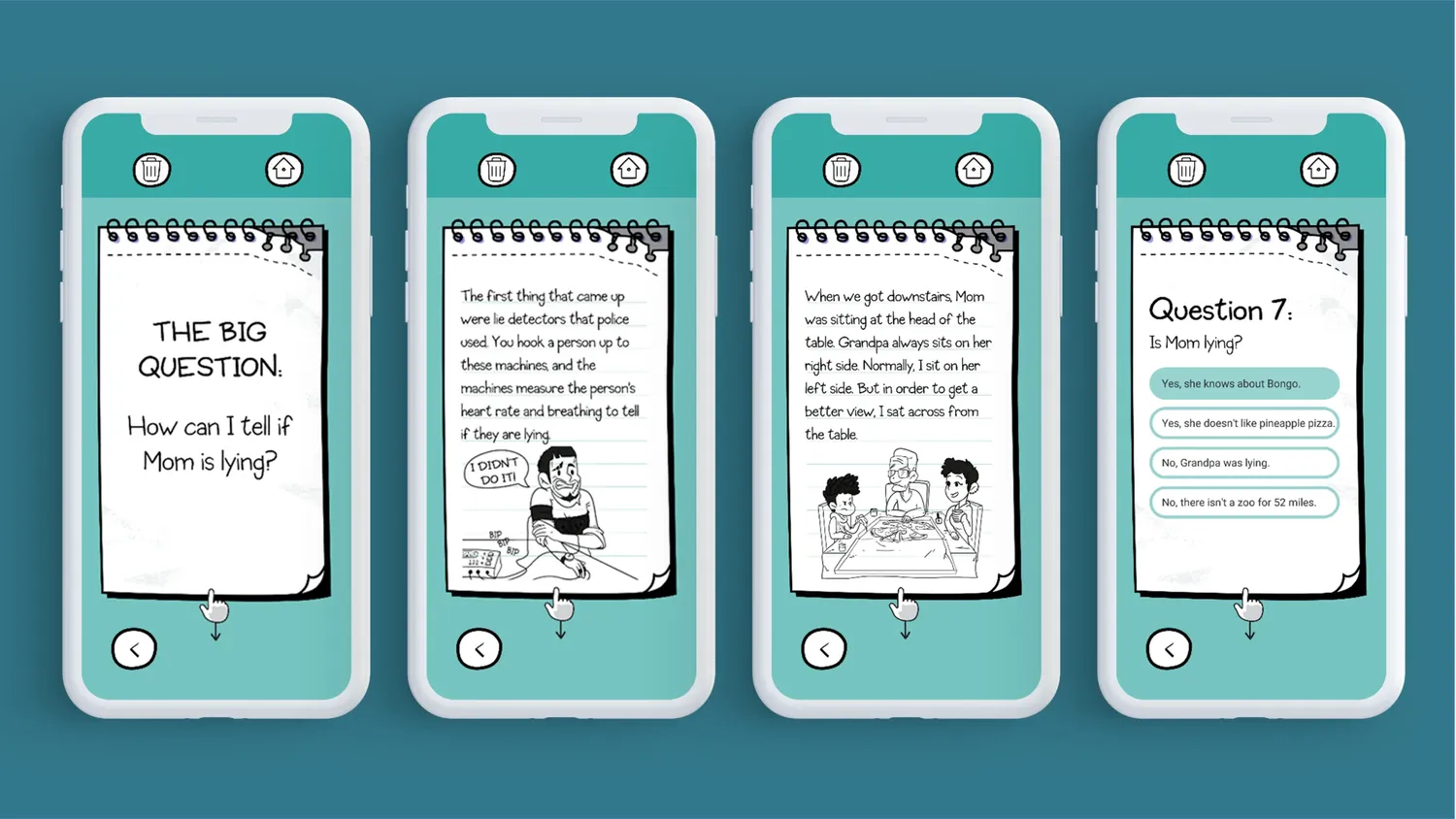
We learned the same lesson with story length. Our early stories ran about 1,200 words and took 20 minutes or more. Partway through, kids fidgeted, talked to each other, or stopped. One kindergartner would consistently tell us, after about 300 words, “I’m going to stop reading now.”
So we cut stories to under 300 words, about five minutes. Kids stopped asking how many pages were left.
I’d much rather have a kid finish a five-minute story and say “Another one!” than spend twenty minutes asking “How much longer?”
You can always read another one.
Stop while they still want more. Two five-minute stories beat one twenty-minute slog. In a longer book, break at a cliffhanger, not at a page count.
Make reading social
Watch skilled parents read with their kids and you’ll notice something: they don’t just read the words.
They ask questions. Where do you think Goldbug went? What do you think is going to happen next? Why do you think she did that?
They turn reading into a conversation.
Researchers call this dialogic reading. A meta-analysis of 38 studies involving more than 2,400 children found that how adults and children talk around a story matters for children’s word learning. Another analysis of 19 randomized trials found that teaching parents how to share books improved young children’s language outcomes. And a 2026 meta-analysis of 64 studies and more than 10,000 children found that dialogic reading improved children’s reading, including comprehension.
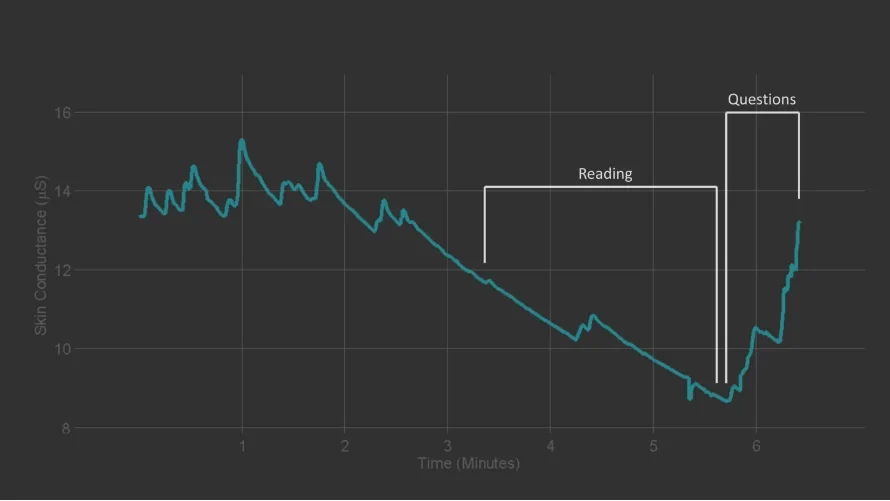
Questions are also where we saw struggling readers wake up. With emotion sensors, reading alone often barely registered, then a question produced a clear spike. With eye tracking, kids skipped right past the text but read each question two or three times.
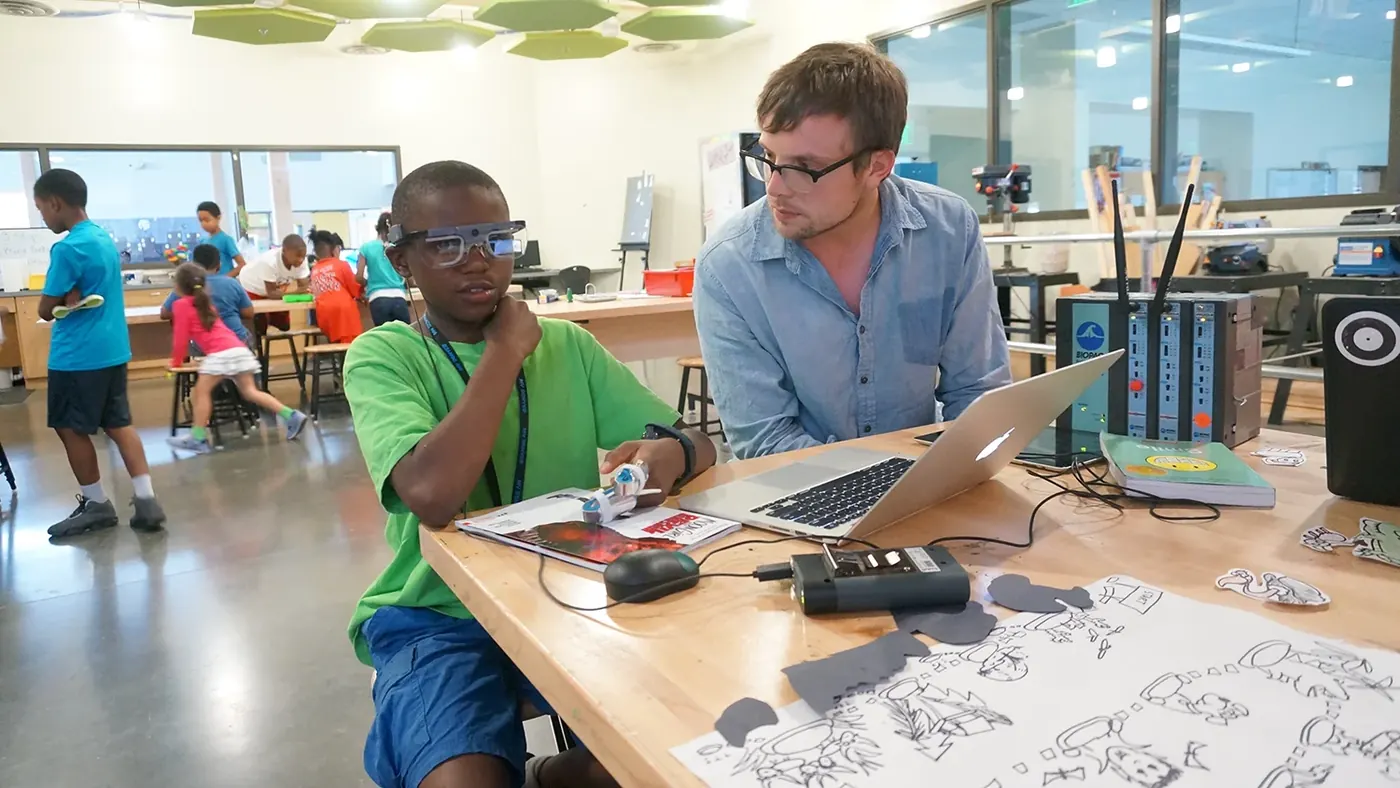
We originally built Wonder.io for kids to read alone. But it took off with kindergartners, where a child and an adult could sit together and answer the questions. The reading became something they did together.
Pause before you turn the page and ask, “What do you think happens next?” Or read a mystery and stop before the reveal: “Who do you think did it?” Ask questions you don’t already know the answer to.
Give kids a chance to be good at reading
One of my favorite books growing up was Where’s Waldo? I couldn’t tell you what the text at the top of those pages said. What I remember is finding Waldo before my parents. I felt like a pro.
We don’t create enough of those moments in reading. I always thought I was good at math because people could say, “Great job! You solved 7 + 4!” But what does winning at reading look like? Books rarely give a child the chance to throw their hands up and say, “I did it!”
Those moments matter most for kids who struggle. I’ve worked with first and second graders who already know they’re behind. They already describe themselves as kids who “aren’t readers.”
Malachi was a second grader and one of the most reluctant readers I’ve taught. He refused to play at first. One day he agreed, and finished in the top three. “I got in the top three!” After that he started asking to read pages out loud, so often that we had to work on giving other kids a turn.
We also make sure that all readers get first place on their first try: new readers compete against bots, the same way new Fortnite players get matched against bots so they can win early. It’s not a trick. It’s a ramp.
“Mom! I got first place!” is one of my favorite things to hear from a young reader. If you’re the adult standing next to them, celebrate it. Give them the high five. Ask how they did it. Let them bask in being good at reading.
Let them find the clue, solve the mystery, or spot the answer before you do, and react like it matters. Then ask how they figured it out.
Tell good stories
There are surprisingly few really good stories for beginning readers. A lot of children’s reading material has to satisfy the purchaser (the parent, the school, the curriculum, the reading level, the phonics program) along with the child.
But after interviewing hundreds of children, I’ve learned that kids have their own quality bar. Their first requirement: make me laugh.
Captain Underpants understands this. Dog Man understands this. Diary of a Wimpy Kid understands this. I wish there were more.
Funny books alone didn’t get the kids at the club reading. But inside an experience that works, laughter is what makes them ask for more. And it’s a wonderfully obvious signal. You don’t need an assessment to tell you whether it’s working. The kid is sitting next to you laughing.
That’s why Wonder.io stories are about putting bubble gum in someone’s hair, an owl going to school, or discovering that your uncle is a dinosaur.
Kids shouldn’t have to become great readers before they’re allowed to experience great entertainment.
Let them pick the silliest book on the shelf. Read the funny parts in voices. If they laugh, it’s working.
It’s time to ask a different question
A major publisher, and client of mine, once asked me: “How much time should children spend having fun versus learning to read?” I spent the next two years trying to show him those things aren’t in competition.
If the kid in front of you has ADHD or dyslexia, struggles with reading, or cries every time reading time comes around, it’s easy to conclude: “This child is bad at reading.”
I’d encourage you to ask a different question:
“How can I create a reading experience this child would absolutely love, regardless of how good they are at reading right now?”
I want to be clear about one thing: engagement isn’t instruction. For kids with dyslexia, Wonder.io isn’t enough on its own. What we’ve seen is that the engagement boost makes kids willing to come back, but they still need systematic phonics. Use both.
I also won’t pretend we’ve solved the next step. How interactive reading leads kids into chapter books is still an open question in my own research. But I have watched kids who wouldn’t read a single paragraph start asking, “Can we play again?”
Enjoyment matters. Children who enjoy reading tend to read more often, and the latest National Literacy Trust research continues to link reading enjoyment with frequency, confidence, and learning.
The goal isn’t a page count. It isn’t a reading level. It isn’t 20 minutes on a reading log.
Every morning, Leo hands me The Very Hungry Caterpillar. Every morning, when we finish, he hands it right back.
The goal is the kid who asks for another one. And then another. Until one day, maybe they don’t need the training wheels anymore.
Want to try it tonight?
Start with The Case of the Bedroom Egg, the first story I ever wrote for these kids and still our most popular. There’s no signup. For younger readers, try The Case of the Missing Moon.


Further reading
- Motivating Struggling Readers to Mentally “Show Up” with Wonder StoriesELO 2021. The research behind points 2, 3, and 4.
- Reinventing the Book with the LEGO GroupThe slime and LEGO findings in point 1.
- From “I Won’t Read a Paragraph” to “Can We Play Again?”The Boys & Girls Club case study.
- The 6 Steps to Infusing Children’s Literature with Engaging QuestionsHow to ask better questions while reading.
Research cited
- National Literacy Trust (2026). Children and young people’s reading in 2026.
- National Literacy Trust (2025). Children and young people’s reading in 2025.
- Flack, Z. M., Field, A. P., & Horst, J. S. (2018). The effects of shared storybook reading on word learning: A meta-analysis. Developmental Psychology, 54(7). doi:10.1037/dev0000512
- Dowdall, N., et al. (2020). Shared picture book reading interventions for child language development: A systematic review and meta-analysis. Child Development, 91(2). doi:10.1111/cdev.13225
- Tang, Lau, & Du (2026). Effects and moderators of dialogic reading on children’s reading literacy: A three-level meta-analysis. International Journal of Educational Research, 137. doi:10.1016/j.ijer.2026.102963